
Programs · Energy efficiency & electrification
Lighting is done. What's left to save is bought at a checkout.
Nine in ten homes already run on LEDs. The efficiency still on the table is in heating, cooling, water heating, refrigeration, laundry and cooking, and every one of those is a purchase made about once a decade. Enervee runs the efficiency program at that checkout, across 40+ categories, under your brand.

Why equipment, why now
After the bulb, every remaining kilowatt-hour lives in a piece of equipment.
For twenty years lighting carried residential and small-business efficiency portfolios. That measure is now saturated, and federal standards took the rest. What remains is bought in stores and online, roughly once every ten to fifteen years, and the model chosen at that moment fixes the household's consumption until the next one.
Shares of total annual household energy use, U.S. EIA Residential Energy Consumption Survey 2020. Lighting sits inside the middle band and is the one end use already largely solved: 90% of households report LED bulbs (RECS 2024).
-
90%
of U.S. households now report using LED bulbs. The measure that carried residential portfolios for two decades has reached the market.
U.S. EIA, Residential Energy Consumption Survey 2024
-
17→31%
Appliances' and electronics' share of home electricity nearly doubled over three decades, even as standards tightened. The equipment is where the load moved.
U.S. EIA, RECS 1978–2009
-
Worse
Shoppers replacing a broken appliance chose measurably less efficient models than planned buyers. Showing the Score raised the choice for both, and most for the distressed buyer.
Energy Efficiency (Springer), 2018 — peer-reviewed
What Enervee runs for you
One efficiency program, at the checkout, built up in five layers.
Each layer stands on its own and each one adds to the last. Most utilities start with the first two; the ones with the largest portfolios run all five.
-
01
Choice Engine® & Enervee Score®
Every model in 40+ categories, scored 0–100
The Score rates every product on sale against the whole market, recalculated daily, and shows the running-cost gap before the price. It works whether or not a rebate is attached, so it covers every category in the home, not just the ones you fund.
What it does for the program
Efficiency education at the point of decision, at scale. On its own it is a customer-engagement and market-transformation investment; with evaluation it becomes claimable behavioral savings.
Two utilities run it this way today. An independent evaluator found 509 MWh of claimable savings on one of them with no rebate at all.
How the Score works → -
02
Instant rebates & Fast Track™
Every efficiency rebate you run, at checkout and after
Your incentives applied in the price on qualifying models, stacked with manufacturer and government offers automatically. Purchases made elsewhere are covered by Fast Track: the same rebate paid from a photo of the receipt, on one customer record and one eligibility check.
What it does for the program
This is where the claimable savings are. One program, all your efficiency measures, midstream structure, no application backlog.
The same midstream mechanics your HVAC and water heating programs already use, moved online and under your brand.
Instant rebates & Fast Track → -
03
Marketplace & fulfillment
A real store, fulfilled by national retailers
The marketplace is not a product list. Orders are fulfilled by national retail and distribution partners, with delivery in days, installation where the category needs it and haul-away of the old unit in the same order.
What it does for the program
Participation at retail scale, not program scale. The customer whose fridge died on Tuesday buys the efficient one here because it arrives Thursday.
On one water heater program, 561 tankless orders shipped on the peak day, and the year's incentive budget was fully subscribed by late February.
The Utility Marketplace → -
04
Eco Financing®
Monthly payments where first cost is the barrier
Financing at checkout, underwritten by lending partners, off your balance sheet. Monthly payments priced per term. Income-qualified customers see it alongside their enhanced incentives.
What it does for the program
Expands who participates: on the New York marketplace, 51% of financed purchases came from disadvantaged communities, against 35% of the population. Nothing else in the market does this at checkout.
NYSERDA evaluation, 2024. In California's GoGreen Home, 85% of micro-loans went to lower-income or credit-challenged borrowers (CPUC, 2024).
Eco Financing → -
05
Electrification categories
Every major fuel-switch category, on the same rails
Heat pump HVAC, heat pump water heaters, induction ranges and cooktops, heat pump dryers, EV chargers. Where a measure needs a circuit, panel work or gas-line capping, the marketplace says so before checkout and can put it in the order.
What it does for the program
For electric utilities with electrification targets, the efficiency program is already the electrification program. No second platform, no second customer journey.
The fullest case is water heaters, where panel, gas-cap and haul-away run in one order.
The water heater program →
40+ categories
The ones that carry the savings.
Pick a category. The gap between a typical purchase and the top-rated model is what your program is buying back, for the life of the appliance.
Refrigerators & freezers
2,130 models on sale · scored dailyThe highest-volume replacement category and the one with the longest evaluated record. Roughly three in four are bought after a failure; the Score is on every model, so the distressed buyer sees the same comparison as the planned one.
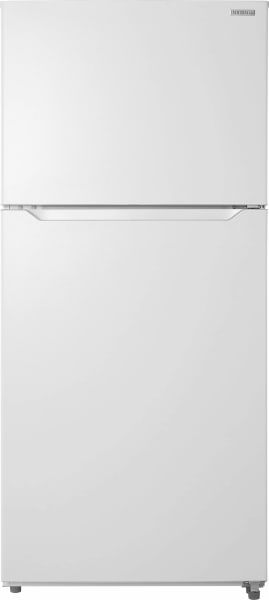 91
91
What shoppers see. Top-rated model, price and running costs from choose.enervee.com, 2026-09-14; the rebate is illustrative.
Clothes washers & dryers
411 models on sale · scored dailyThe top-scored dryers are all heat pump models, and they plug into a standard outlet. An efficiency rebate here is an electrification measure without a separate program.
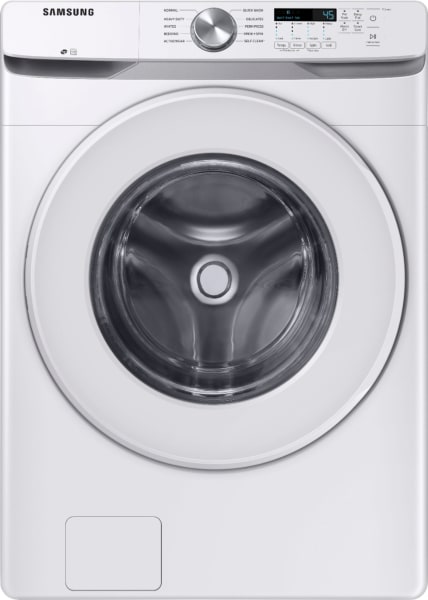 94
94
What shoppers see. Top-rated model, price and running costs from choose.enervee.com, 2026-09-14; the rebate is illustrative.
Dishwashers
681 models on sale · scored dailySmaller savings per unit, very high volume, and water as well as energy. Usually paired with refrigerators as a program's first two categories.
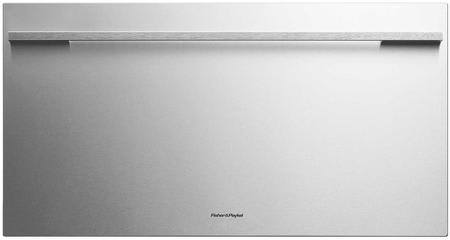 94
94
What shoppers see. Top-rated model, price and running costs from choose.enervee.com, 2026-09-14; the rebate is illustrative.
Cooktops & ranges
9,197 models on sale · scored dailyInduction leads the category on efficiency. Replacing a gas range usually needs a 240 V circuit; the marketplace flags it before checkout and the order can include the electrical work, so the customer makes one decision instead of two. Ranges are listed but not yet scored, so the spread here is cooktops.
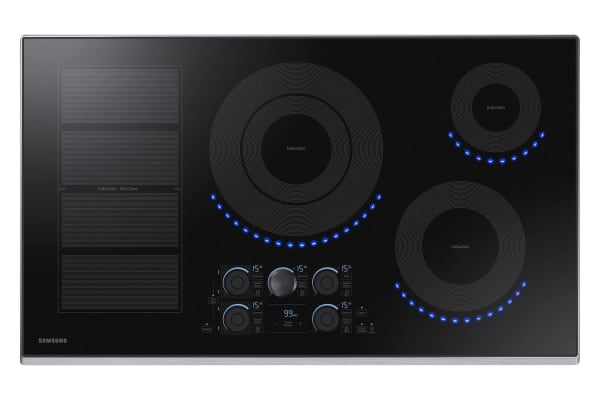 100
100
What shoppers see. Top-rated model, price and running costs from choose.enervee.com, 2026-09-14; the rebate is illustrative.
Air conditioners & heat pumps
1,048 models on sale · scored dailyThe largest share of home energy. Room and portable AC sell like any appliance; central and ductless heat pumps are scored and compared with the same running-cost gap visible, with installation quoted by a contractor. Both pre-enroll in demand response at checkout.
See the demand response program →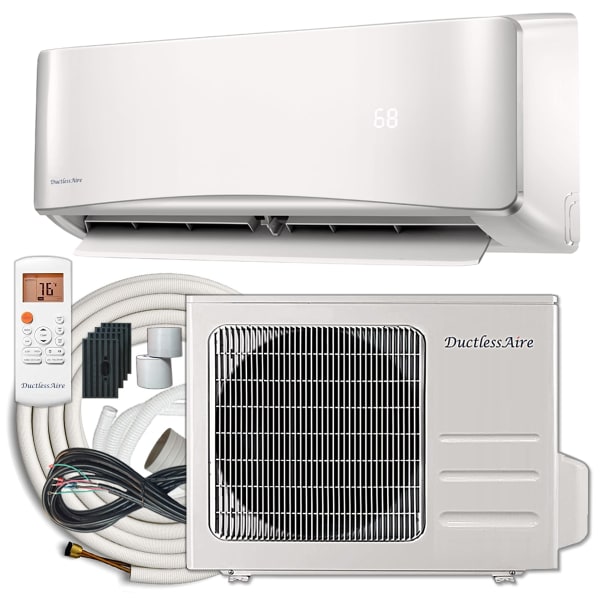 92
92
What shoppers see. Top-rated model, price and running costs from choose.enervee.com, 2026-09-14; the rebate is illustrative.
Smart thermostats
102 models on sale · scored dailyLow ticket, high volume, and the entry point to demand response: 97% of eligible buyers pre-enrolled at checkout in the DOE-documented program. Running-cost differences between thermostats depend on the home, so no gap is shown.
See the demand response program →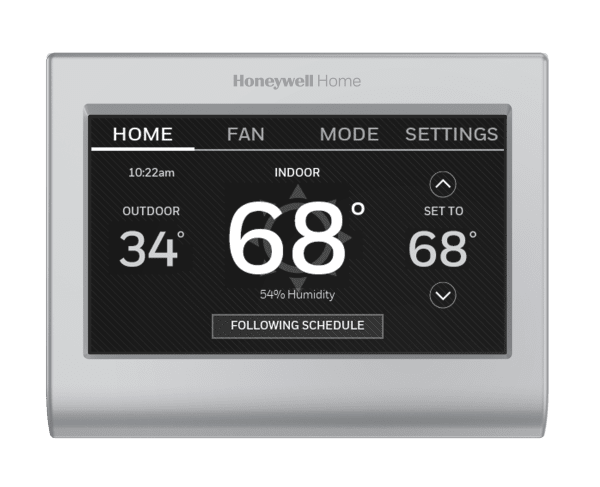 100
100
What shoppers see. Top-rated model, price and running costs from choose.enervee.com, 2026-09-14; the rebate is illustrative.
Electric & heat pump water heaters
150 models on sale · scored dailyWater heaters have their own program page, with live order data and a calculator for your territory.
Go to the water heater program →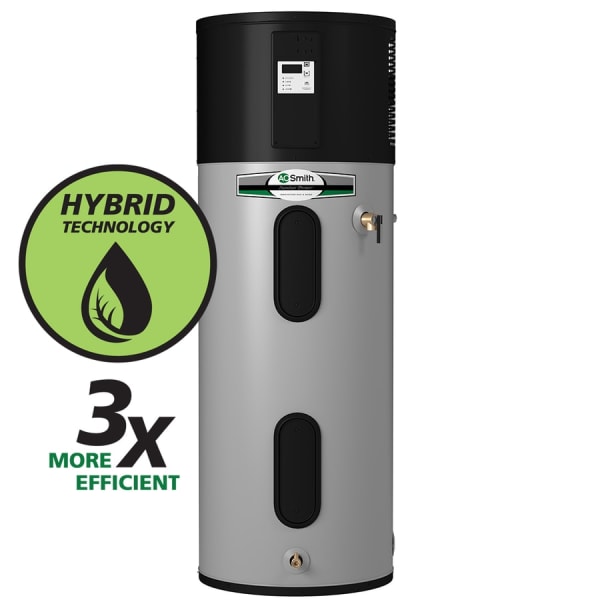 94
94
What shoppers see. Top-rated model, price and running costs from choose.enervee.com, 2026-09-14; the rebate is illustrative.
Measured by others
The Score changes what people buy. Independent evaluators say so.
Equipment categories are where the Choice Engine® has the longest record: a decade of evaluated programs, with and without incentives.
-
77%
of the marketplace's gross electric savings, and 88% of gas savings, attributed to the shopping experience beyond any incentive.
ETCC assessment of a California IOU marketplace
-
509 MWh
of claimable savings with no rebate at all, net of free ridership at 90/25 confidence and precision. The utility adopted the program on that basis.
Guidehouse evaluation of a Midwest utility program
-
85.5→89.5
average Score of the model chosen when the Score was shown, in the first of three randomized controlled trials. The other two: 84.5→89.3 and 84.8→88.9.
Energy Efficiency (Springer), 2018 — peer-reviewed
What this means for a program. Where the commission allows it, savings that evaluators attribute to the marketplace experience are claimable without an incentive on every unit. Where it doesn't, the Score still moves the choice on every category you don't rebate, and the rebate budget goes where it moves the decision most. Full sources on the Resources page.
And when the efficient choice is electric
Electrification is the same program, one replacement at a time.
In most categories the top-scored model is already electric. An efficiency program that runs at checkout electrifies without a separate program, because the customer is already there, the incentive is already in the price, and the electrical work can be in the order.
Heat pump dryers, induction ranges & cooktops
Top-scored in their categories, sold with the same rebate mechanics as any other appliance. Where a new circuit is needed, the marketplace says so before checkout and the electrical work can be in the order.
Heat pump HVAC & room AC
Scored and compared across 1,000+ models with the running-cost gap visible. Room and portable units ship like appliances; central and ductless systems have installation quoted by a contractor.
Heat pump water heaters
The full electrification case, including panel upgrades, gas-line capping and haul-away coordinated in one flow, lives on the water heater program page.
EV chargers
Level 2 chargers scored and sold with the rebate at checkout, with installation where the program funds it, and pre-enrollment in managed charging where you run it.